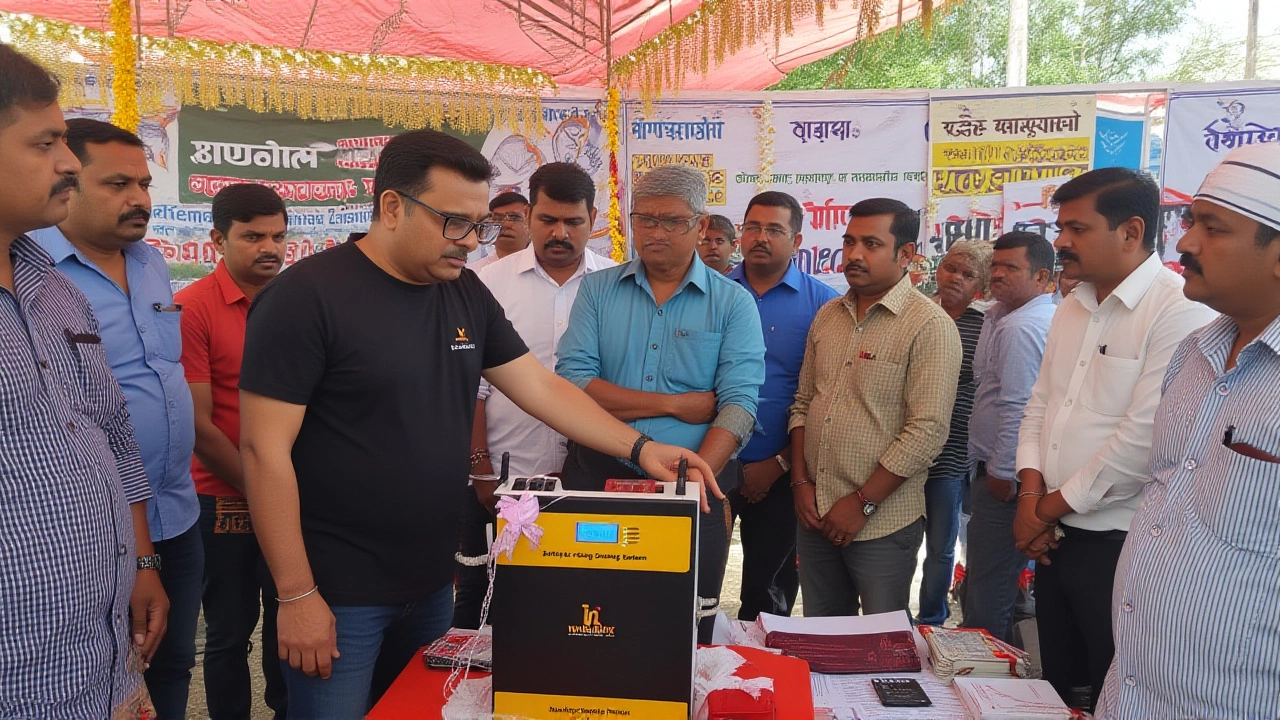
Residents of Chandauli, Uttar Pradesh, India are getting a rare break from rising electricity costs. Starting Thursday, May 21, 2026, Hanumat Renewables Private Limited launched a massive 90-day campaign to install completely free 2kW rooftop solar plants in 11,000 homes across the district.
The initiative kicked off at the Khanda Vikas Karyalay (Block Development Office) Sadar, with local officials flagging off awareness vans to reach every corner of the district. Here’s the thing: this isn’t just another government scheme buried in red tape. It’s a public-private partnership designed to make clean energy accessible without any upfront cost to the homeowner.
How the "Zero-Cost" Model Works
The math behind this project is surprisingly straightforward. Typically, installing a 2kW solar system costs around ₹1,25,000 to ₹1,35,000 out of pocket. But under this new model, eligible households pay nothing. The financial burden is split between three entities:
- Central Government Subsidy: ₹60,000 per system under national solar rooftop policies.
- State Government Support: An additional ₹30,000 from the Uttar Pradesh state administration.
- Corporate Contribution: Hanumat Renewables is covering the remaining ₹35,000 per installation.
When you add those numbers up—₹90,000 in subsidies plus ₹35,000 from the company—the total covers the entire cost of the plant. For the average family in Chandauli, this means their electricity bills could drop significantly, or even hit zero, depending on consumption patterns.
Official Launch and Local Leadership
The formal inauguration was led by Sanjay Singh, Block President Sadar, who served as the chief guest. He was joined by R., the Chief Development Officer (CDO) of Chandauli district.
Together, they flagged off several awareness vehicles equipped with informational materials about solar benefits and registration procedures. These vans are set to tour villages and neighborhoods over the next three months, ensuring that no eligible household misses out due to lack of information. The CDO emphasized that this move aligns with broader state goals to reduce grid dependency and promote environmental sustainability.
Scope and Timeline of the Campaign
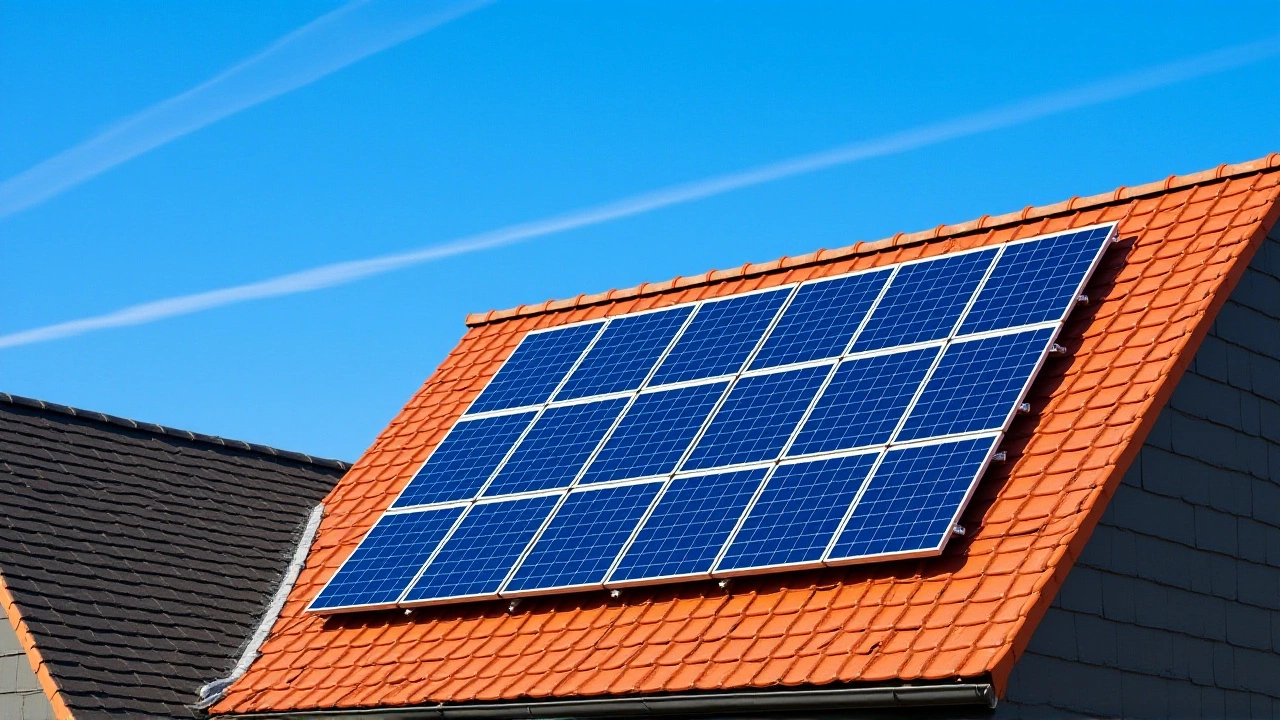
This isn't a pilot program limited to one town. The campaign targets 11,000 residential units across all block development offices in Chandauli. The rollout will be phased:
- Phase 1 (Current): Awareness drives and registration centers opening at Block Development Office Sadar.
- Phase 2: Expansion to other block headquarters throughout the district.
- Phase 3: Technical assessments and final installations within the 90-day window.
Residents interested in participating need to act quickly. The 90-day clock started ticking on May 21, 2026. Once the period ends, it’s unclear if the corporate subsidy component will remain available for late registrations.
Why This Matters for Chandauli
Chandauli has historically relied heavily on conventional power grids, which often face load-shedding issues during peak summer months. By decentralizing power generation through rooftop solar, the district aims to achieve greater energy resilience. Beyond economics, there’s an environmental angle: shifting thousands of homes to renewable energy reduces carbon footprints and improves local air quality.
Industry experts note that private companies rarely absorb such significant costs unless there’s long-term strategic value. Hanumat Renewables may be leveraging this project to build brand trust and secure future maintenance contracts or larger utility-scale deals in the region. Regardless of motive, the immediate benefit flows directly to homeowners.
How Residents Can Register
If you live in Chandauli and own your home, you might qualify. Registration details are being disseminated via the awareness vans and local administrative offices. For direct inquiries, residents can visit the Hanumat Solar House office located near Vikalp Hospital on Kachhari Road, Chandauli.
You can also call the dedicated helpline numbers: 9208779065 or 63887641521. Staff there can clarify eligibility criteria, required documentation, and the technical assessment process. Keep in mind that specific income caps or property ownership proofs may apply, so having your documents ready will speed up the process.
Frequently Asked Questions
Who is eligible for the free solar plant?
Eligibility generally requires homeownership within the Chandauli district limits. While exact income criteria weren't detailed in the initial launch press release, standard government solar subsidies usually prioritize households with existing electricity connections. Residents should verify their status at the nearest Block Development Office or via the Hanumat Renewables helpline.
Is there really no hidden cost?
According to the official announcement, the combined subsidies from the Central Government (₹60,000), State Government (₹30,000), and Hanumat Renewables (₹35,000) cover the full installation cost of a 2kW system. However, minor expenses like internal wiring upgrades or structural reinforcements for older roofs might not be included, so get a written estimate before signing up.
What happens after the 90 days end?
The current offer is strictly time-bound to the 90-day campaign starting May 21, 2026. If you miss the deadline, you may still access government subsidies, but the additional ₹35,000 corporate contribution from Hanumat Renewables is likely unavailable. Late registrants would have to bear the remaining balance themselves.
How does this affect my electricity bill?
A 2kW rooftop system typically generates enough power to offset a significant portion of average residential usage. Depending on your consumption habits and net-metering policies in Uttar Pradesh, your monthly bill could drop by 50-80% or potentially become zero if you export excess power back to the grid.






Write a comment